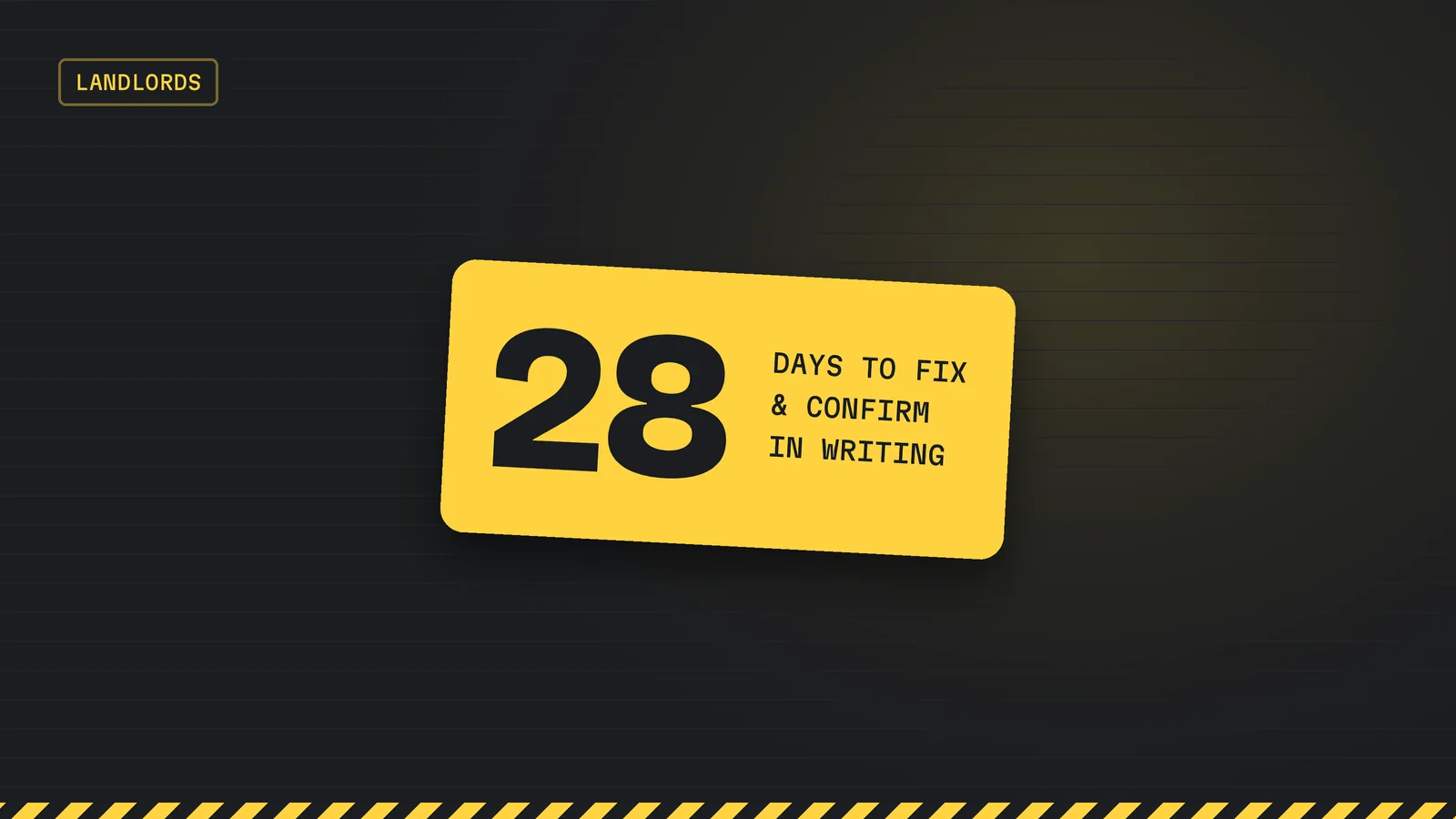
Under the Electrical Safety Standards in the Private Rented Sector (England) Regulations 2020, an unsatisfactory report isn’t the end of the process. It starts a deadline.
Day 0: the inspection
The 28 days run from the date of the inspection, not the date you receive the report. If the report gives a shorter period for a particular item, the shorter period applies.
Within 28 days: the remedial work
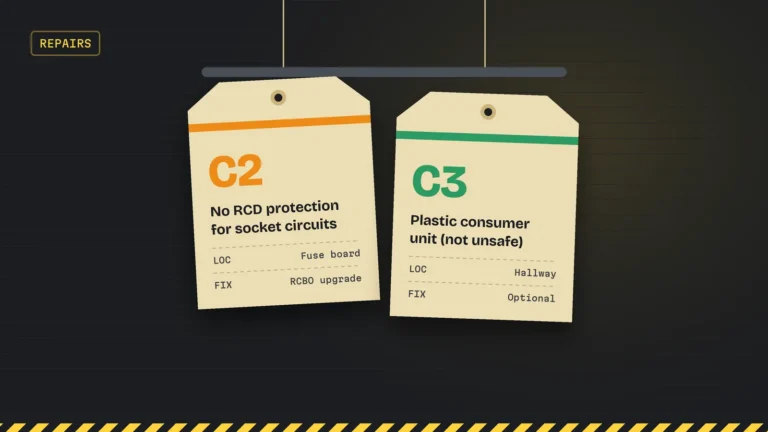
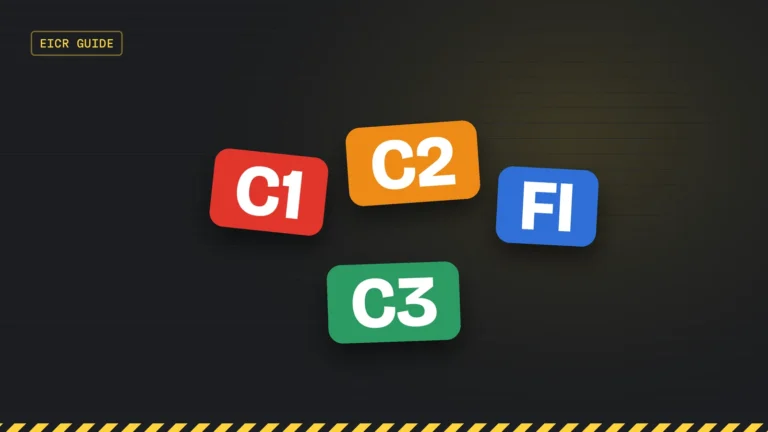
Every C1 and C2 item must be put right, and every FI investigated, by a qualified and competent person. C3 recommendations don’t count towards the deadline.
Within 28 days of completion: written confirmation
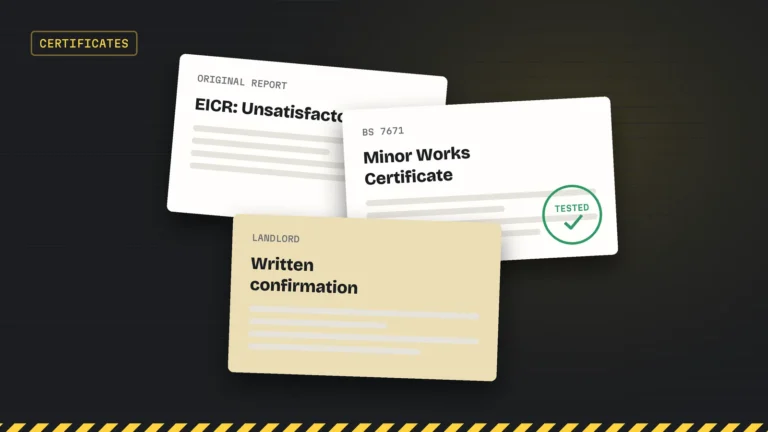
Once the work is done, you need written confirmation from the electrician that the installation now meets the required standard. Send it, together with a copy of the original report, to the tenant and the local housing authority within 28 days of the work being completed.
If your tenant won’t give access
Keep a dated record of every reasonable attempt to arrange access: letters, emails, texts and missed appointments. A landlord isn’t in breach where they can show they took all reasonable steps.
A practical timeline
- Day 0: inspection carried out
- Days 1–2: send us the report and get a fixed, itemised quote
- Days 3–14: remedial works, usually in one visit
- Same day: each repair tested and certified
- By day 28: work complete and confirmation issued
If the deadline is already close, tell us when you send the report. We’ll prioritise the C1 and C2 items and book the work around your deadline.