An Electrical Installation Condition Report (EICR) records each problem the inspector finds as an observation, and gives every observation a code. The codes decide whether the report is satisfactory, and they decide what you need to do next.
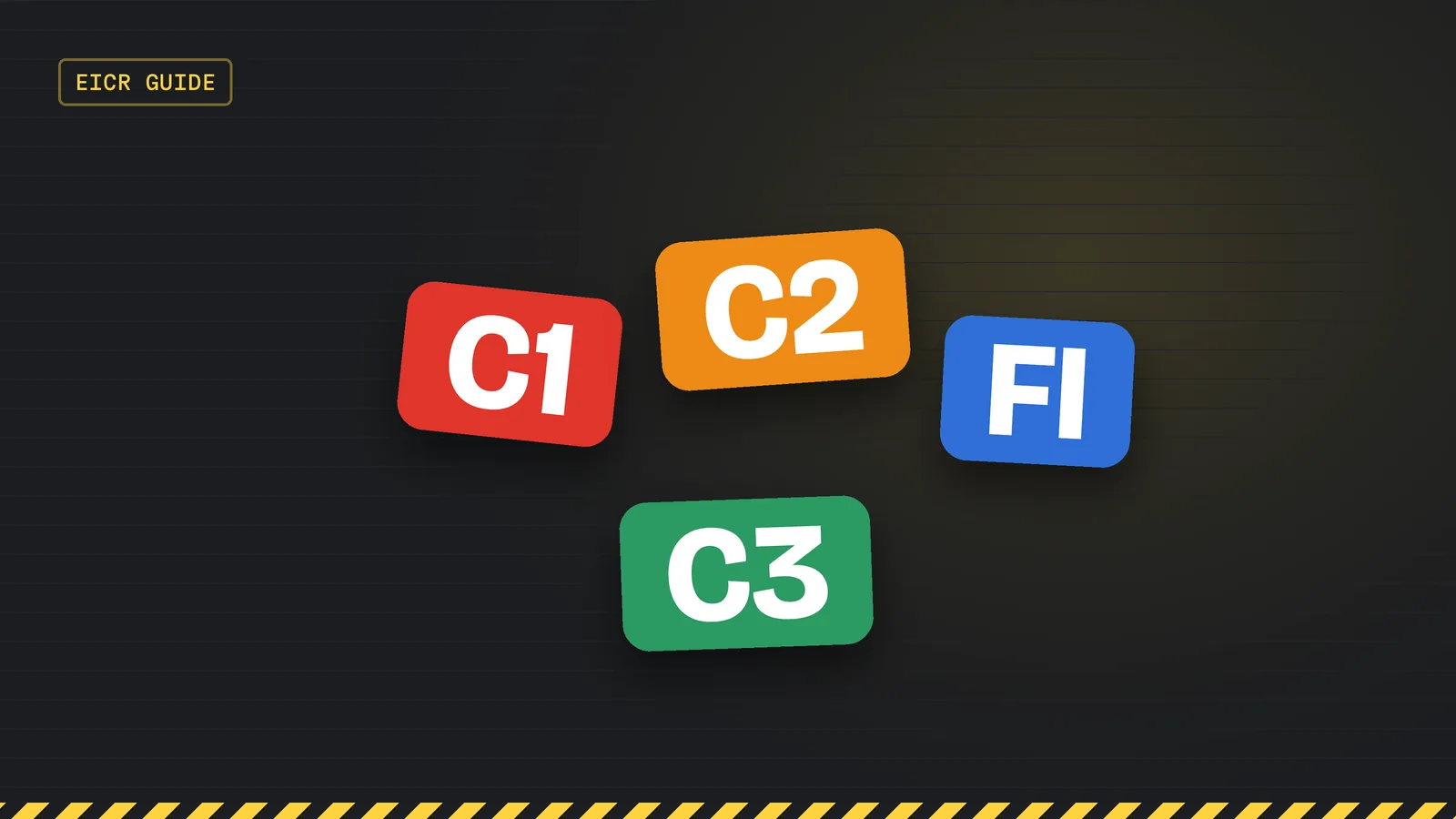
C1: danger present
There is a risk of injury right now, such as exposed live parts at a broken socket or an open-backed consumer unit. A C1 should be made safe before the electrician leaves, usually by isolating the circuit or replacing the damaged part on the spot.
C2: potentially dangerous
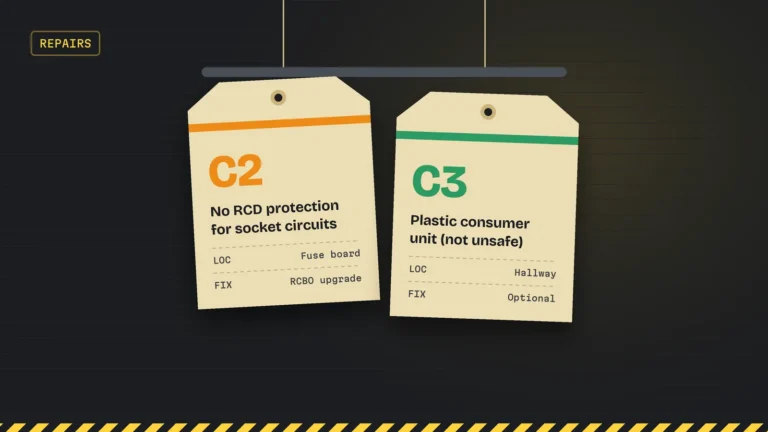
Not dangerous this minute, but it could become dangerous if something goes wrong. Missing RCD protection for sockets, absent main protective bonding and Class I light fittings with no earth are common examples. C2s need urgent remedial work.
FI: further investigation
The inspector suspected a problem but couldn’t confirm it during the visit: perhaps a low insulation reading, or a circuit that couldn’t be traced. An FI has to be investigated without delay, and the investigation may turn up a C1 or C2 that then needs fixing.
C3: improvement recommended
The installation doesn’t meet the current edition of the wiring regulations, but it isn’t unsafe. An older plastic consumer unit in a suitable location, or the lack of a surge protection device, are typical C3s.
Which codes fail the report?
- Any C1 makes the report unsatisfactory.
- Any C2 makes the report unsatisfactory.
- Any FI makes the report unsatisfactory.
- C3s on their own do not.
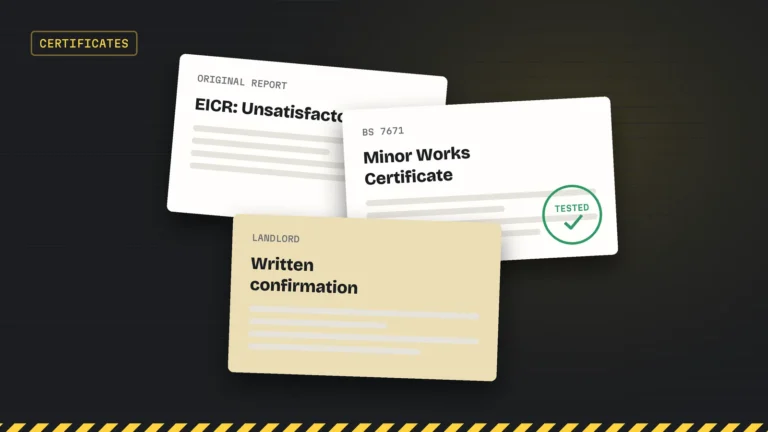
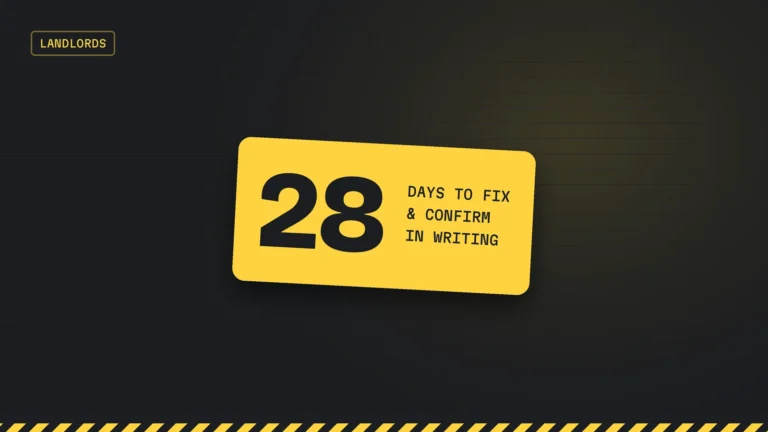
If your report is unsatisfactory, the fix is remedial work on the C1, C2 and FI items, with each repair tested and certified. C3s are optional, and nobody should present them as compulsory.